Estimated reading time: 4 minutes

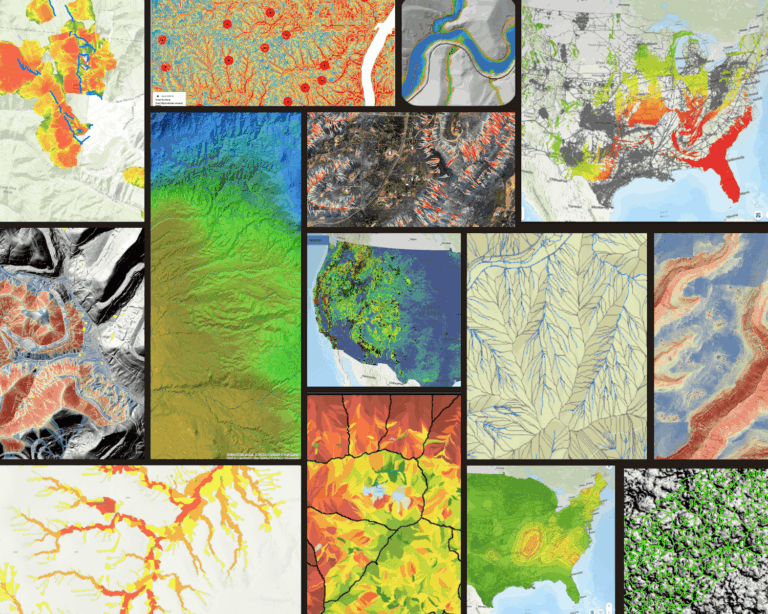
Pipeline operations and integrity teams are inundated with data. From LiDAR scans and IMU readings to photogrammetry, satellite imagery, and weather feeds, the volume of incoming information can feel paralyzing. As one panelist at Teren’s recent Operator discussion on weather and external force threats put it, the real challenge isn’t always a lack of data—it’s figuring out how to act on it. Or, in their words: “I want to do less with less.”
This sentiment speaks to a growing pain point among integrity and operations teams: too much data, not enough clarity. In this article, we explore how pipeline operators can simplify decision-making, streamline workflows, and achieve more by focusing on what matters.
The Cost of Data Overload
More data doesn’t always mean better decisions. When operations teams are bogged down by massive data sets that don’t translate into actionable insights, time and money are wasted. Field crews are deployed without clear guidance. Analysts spend hours parsing through complex, disparate data. And real threats—like slope instability or river scour—can be missed amid the noise.
From Data Collection to Data Clarity
Success doesn’t come from collecting more data—it comes from connecting the right data. Enbridge’s Pipeline Integrity Engineering Supervisor recently gave this example: “We initially treated every strain as a geohazard to be extra cautious. But after analyzing IMU and LiDAR results, we could rule out false positives and pinpoint true areas of concern.”
This shift—toward prioritizing actionable, risk-based intelligence—can help teams cut through the noise and focus their attention.
The Power of Simplified Risk Models
As a Pipeline Damage Prevention Leader explained in a recent panel, sometimes simplifying your process can amplify the impact of your data: “We combined Teren’s hazard susceptibility data with bending strain and severity assessments to build a prioritized risk approach,” he said. “Then we ran LiDAR on just 85 miles and narrowed our focus to just three critical areas.”
Instead of blanketing every asset with the same level of inspection, this customer concentrated resources where they’d have the biggest impact—saving time, money, and effort.
Strategies to Do Less With Less
Here’s how other operators are simplifying pipeline monitoring:
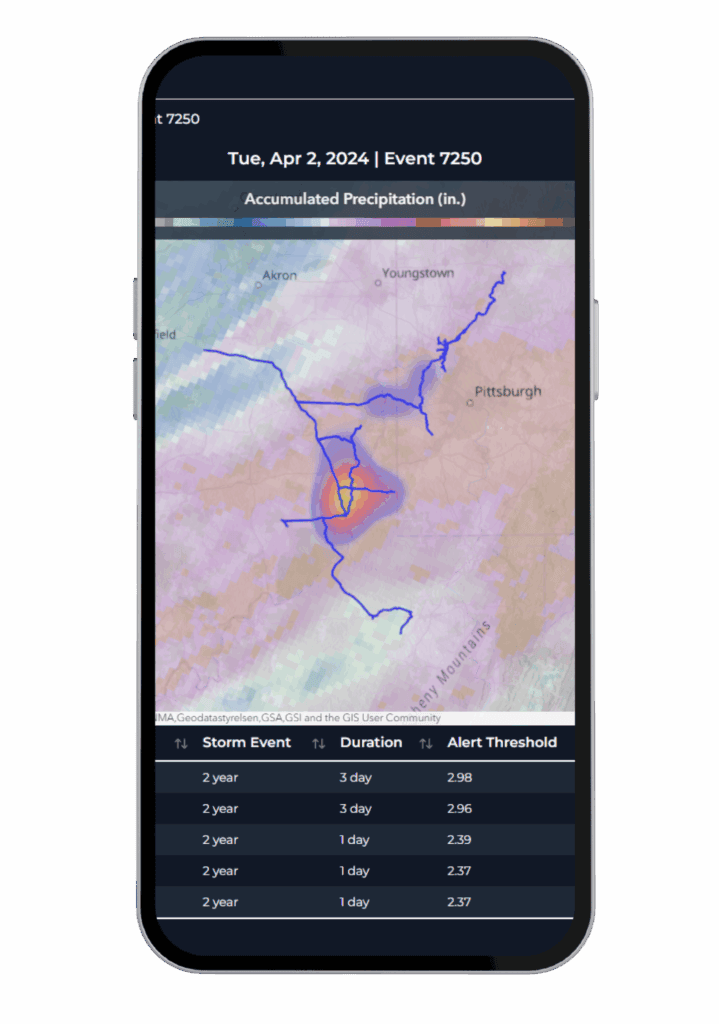
- Consolidate datasets into a central digital platform so everyone works from the same source of truth.
- Triangulate data sources like LiDAR, IMU bending strain, and HCA data to better inform decision making, validate findings and reduce false positives.
- Leverage independent hazard analyses to focus engineering scopes, avoiding overbuilt solutions that drain budget and bandwidth.
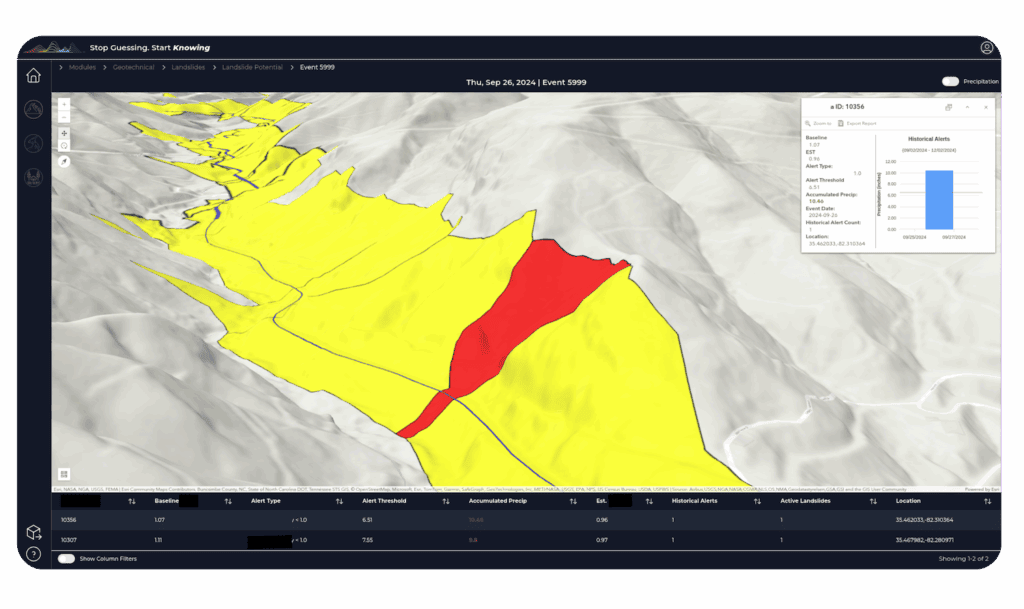
- Empower teams with visualization tools that make complex data easy to interpret and act upon.
- Use susceptibility and risk models to prioritize zones for data collection, rather than acquiring data ubiquitously.
- Deploy real-time monitoring tools in areas confirmed to be high-risk, rather than across the entire network.
The goal isn’t to do everything—it’s to do the right things. As threats from weather and outside force threats evolve, integrity teams need to adapt by reducing complexity, not increasing it. By adopting smarter workflows and focusing on actionable intelligence, pipeline operators can indeed do less with less—and get better results.
Want to simplify your integrity program?
Terevue helps pipeline operators cut through data overwhelm with real-time risk modeling, data integration, and prioritization tools. Learn more here.